
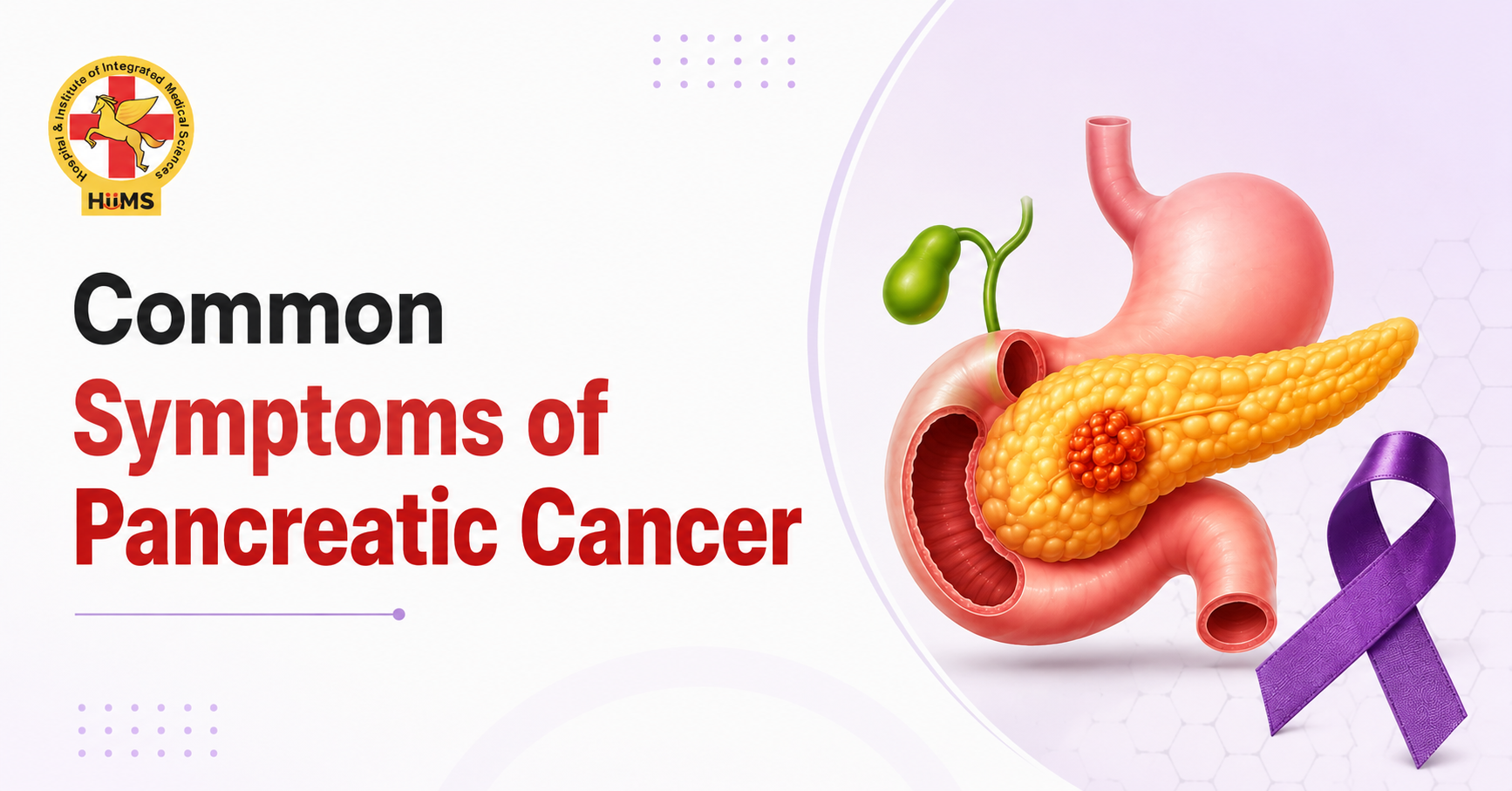
Pancreatic cancer is often called a "silent disease" because it may not cause clear signs in its early stages. Many symptoms develop slowly and can easily be mistaken for common stomach or digestive problems. Knowing the symptoms of pancreatic cancer can help you seek medical advice sooner if something doesn't feel right.
Here are 10 common symptoms of pancreatic cancer you should never ignore.
1. Yellow Skin and Eyes (Jaundice)
One of the earliest and most noticeable symptoms of pancreatic cancer is jaundice. It happens when the tumor blocks the bile duct, causing a buildup of bile in the body.
Signs include:
- Yellow skin
- Yellow eyes
- Dark urine
- Pale stools
- Itchy skin
If you notice these changes, consult a doctor as soon as possible.
2. Pain in the Upper Abdomen or Back
Pain that starts in the upper stomach and spreads to the middle or lower back is another common warning sign. The pain may come and go at first and often becomes worse after eating or when lying down.
Although many conditions can cause back pain, ongoing pain along with other symptoms of pancreatic cancer should not be ignored.
3. Unexplained Weight Loss
Losing weight without changing your diet or exercise routine can be a warning sign. Pancreatic cancer may affect digestion, making it harder for the body to absorb nutrients properly.
If you continue losing weight without trying, it is important to get a medical evaluation.
4. Loss of Appetite
Many people experience a reduced desire to eat before other symptoms appear. Feeling full after eating only a small amount or avoiding meals because of discomfort can also occur.
While loss of appetite has many possible causes, it can be one of the early symptoms of pancreatic cancer.
5. Changes in Stool
The pancreas helps digest fats. When it is not working properly, stool may become:
- Pale or clay-colored
- Greasy
- Floating
- Difficult to flush
These changes happen because the body is not digesting fat normally. Persistent stool changes should always be discussed with a healthcare provider.
6. Dark-Colored Urine
Dark urine can appear before yellowing of the skin becomes noticeable. It occurs because extra bilirubin is removed through the urine when bile flow is blocked.
If your urine stays dark even after drinking enough water, seek medical advice.
7. New-Onset Diabetes
Sometimes pancreatic cancer affects the cells that produce insulin. This may lead to diabetes in someone who has never had it before or make existing diabetes harder to control.
A sudden diagnosis of diabetes, especially in older adults without obvious risk factors, may require further investigation.
8. Tiredness and Weakness
Feeling tired all the time, even after getting enough rest, is another possible warning sign. Cancer can use up the body's energy and reduce appetite, leading to ongoing fatigue.
Although tiredness is common in many illnesses, persistent fatigue combined with other symptoms of pancreatic cancer deserves medical attention.
9. Nausea and Vomiting
As the tumor grows, it may press against the stomach or nearby organs, making it difficult for food to pass normally. This can cause:
- Nausea
- Vomiting
- Feeling full quickly
- Indigestion
If these symptoms continue for several weeks, do not ignore them.
10. Blood Clots
In some cases, a blood clot may be one of the first signs of pancreatic cancer. Symptoms include:
- Swelling in one leg
- Pain in the leg
- Redness
- Warmth in the affected area
A blood clot is a medical emergency and requires immediate treatment.
When Should You See a Doctor?
Many of these symptoms of pancreatic cancer can also be caused by less serious health problems. However, if you notice one or more symptoms that last for several weeks, become worse, or appear together, don't delay seeking medical advice.
Early diagnosis gives doctors more treatment options and may improve outcomes.
Support Your Health with Jeena Sikho HiiMS Pune
If you are experiencing ongoing digestive problems or warning signs that concern you, consult a qualified healthcare professional. Jeena Sikho HiiMS Pune focuses on holistic patient care and personalized treatment approaches, helping individuals understand their health and take timely action.
Conclusion
Recognizing the symptoms of pancreatic cancer early can help you seek medical care before the disease progresses. While these symptoms do not always mean cancer, they should not be ignored if they are persistent or getting worse. If you notice ongoing changes such as jaundice, unexplained weight loss, stomach pain, or digestive problems, consult a healthcare professional for proper evaluation and timely treatment.
FAQs
1. What are the first symptoms of pancreatic cancer?
The first symptoms of pancreatic cancer may include jaundice, upper abdominal pain, back pain, unexplained weight loss, loss of appetite, and changes in digestion. These symptoms often develop gradually.
2. Can pancreatic cancer cause stomach pain?
Yes. Pain in the upper abdomen that may spread to the back is one of the common symptoms of pancreatic cancer. The pain may become worse after eating or while lying down.
3. Is sudden weight loss a symptom of pancreatic cancer?
Yes. Unexplained weight loss is one of the common symptoms of pancreatic cancer, especially when it occurs along with loss of appetite or digestive problems.
4. Are the symptoms of pancreatic cancer the same in men and women?
Yes. The symptoms of pancreatic cancer are generally similar in both men and women. Common signs include jaundice, abdominal pain, weight loss, fatigue, and digestive changes.
5. When should I see a doctor for symptoms of pancreatic cancer?
You should see a doctor if the symptoms of pancreatic cancer, such as persistent abdominal pain, jaundice, unexplained weight loss, or changes in stool, last for more than a few weeks or continue to get worse. Early medical evaluation is important.