
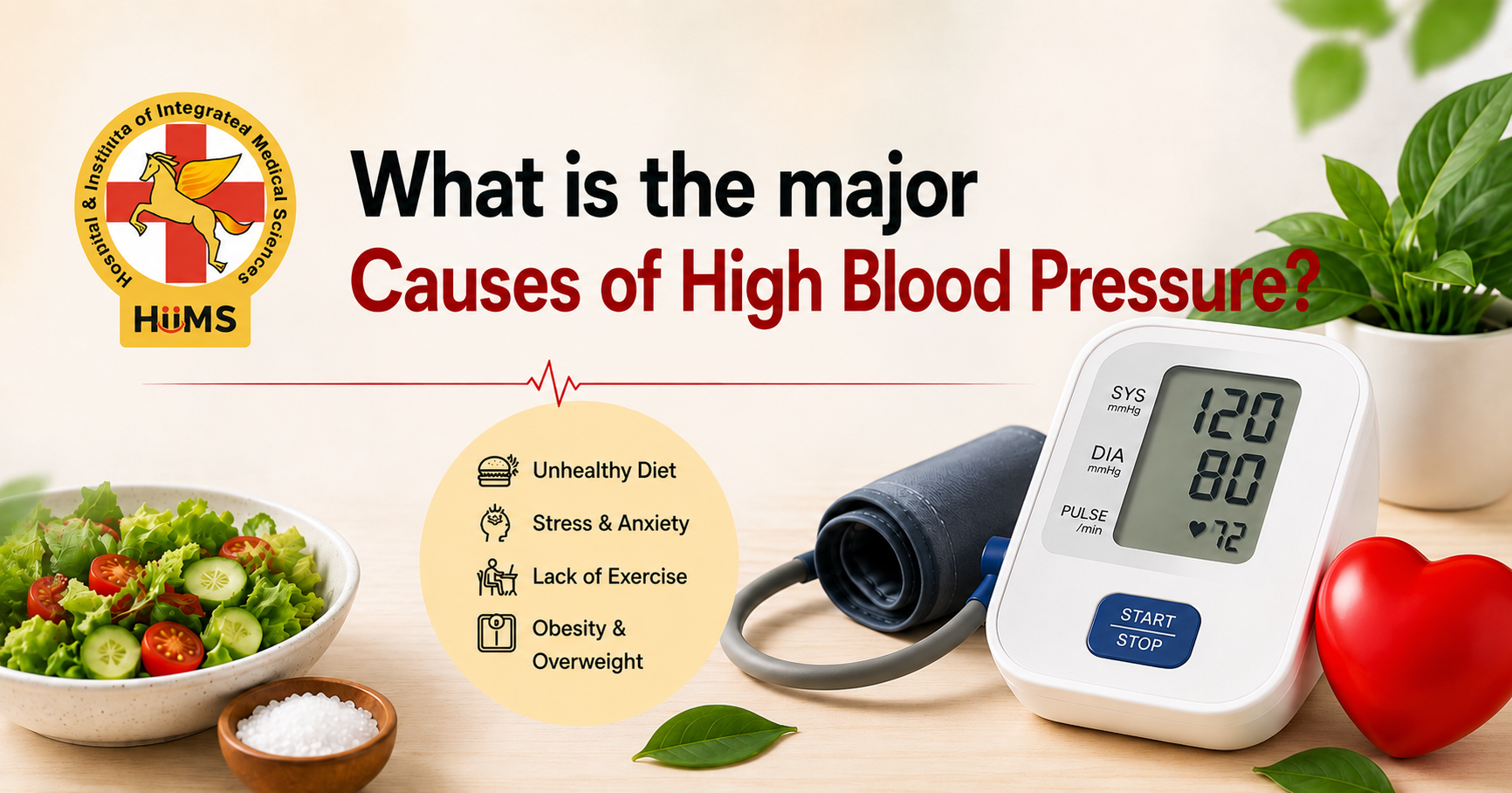
High blood pressure is a common health condition that affects millions of people worldwide. It occurs when the force of blood flowing through the arteries remains consistently higher than normal. Many people may not notice any symptoms in the early stages, which is why high blood pressure is often called a "silent condition."
If left unmanaged, it can increase the risk of heart disease, stroke, kidney problems, and other serious health concerns. Understanding the causes of high blood pressure can help you take the right steps to protect your health and prevent future complications.
What Is High Blood Pressure?
Blood pressure is the force that blood exerts against the walls of your blood vessels as it circulates throughout the body. When this pressure remains elevated for a long period, it is known as high blood pressure or hypertension.
A healthy lifestyle, balanced diet, and regular physical activity can help maintain normal blood pressure levels. However, several factors can contribute to the development of hypertension.
Major Causes of High Blood Pressure
1. Eating Too Much Salt
One of the most common causes of high blood pressure is excessive salt consumption. Salt contains sodium, which causes the body to retain extra water. This additional fluid increases pressure on the blood vessels and forces the heart to work harder.
Foods that are often high in salt include:
- Packaged snacks
- Fast food
- Pickles
- Processed foods
- Instant meals
Reducing salt intake may help support healthy blood pressure levels.
2. Stress and Mental Pressure
Stress is a part of modern life, but ongoing stress can negatively affect overall health. Work pressure, financial worries, family responsibilities, and lack of relaxation can all contribute to rising blood pressure.
When the body experiences stress, it releases hormones that temporarily increase blood pressure. Over time, chronic stress may become one of the important causes of high blood pressure.
3. Lack of Physical Activity
Regular exercise helps keep the heart strong and improves blood circulation. People who spend most of their day sitting may have a higher risk of developing hypertension.
Walking, cycling, yoga, stretching, and other physical activities can help maintain a healthy cardiovascular system.
4. Excess Body Weight
Being overweight puts extra strain on the heart and blood vessels. The heart has to pump more blood to meet the body's needs, which can increase blood pressure.
Maintaining a healthy weight through proper nutrition and exercise can significantly reduce the risk of hypertension.
5. Unhealthy Eating Habits
Poor dietary choices are among the leading causes of high blood pressure. Regular consumption of fried foods, sugary beverages, processed snacks, and foods high in unhealthy fats may affect blood vessel health.
A diet rich in fruits, vegetables, whole grains, nuts, and seeds can support overall heart health and wellness.
6. Smoking and Tobacco Use
Smoking damages blood vessels and reduces their flexibility. Every cigarette can temporarily raise blood pressure and heart rate.
Long-term tobacco use increases the risk of heart disease and is considered one of the serious causes of high blood pressure.
7. Excessive Alcohol Consumption
Drinking large amounts of alcohol may contribute to high blood pressure. Over time, alcohol can affect the heart, blood vessels, and other organs involved in blood pressure regulation.
Limiting alcohol consumption can support better cardiovascular health.
8. Poor Sleep Quality
Sleep plays an important role in maintaining overall health. People who regularly get less sleep or suffer from sleep disorders may be more likely to develop hypertension.
Poor sleep affects the body's natural recovery process and may contribute to several health problems, including high blood pressure.
9. Family History
In some cases, the causes of high blood pressure may be linked to genetics. If close family members have hypertension, the risk of developing the condition may be higher.
Although genetics cannot be changed, healthy lifestyle habits can still help reduce overall risk.
10. Kidney and Hormonal Disorders
Certain health conditions can affect blood pressure regulation. Kidney problems, thyroid disorders, and hormonal imbalances may contribute to hypertension.
Regular health checkups can help identify underlying conditions that may be affecting blood pressure levels.
Signs That May Be Associated With High Blood Pressure
Many people experience no symptoms at all. However, some individuals may notice:
- Frequent headaches
- Dizziness
- Fatigue
- Shortness of breath
- Blurred vision
- Chest discomfort
Because symptoms may not always be present, regular blood pressure monitoring is important.
Natural Ways to Support Healthy Blood Pressure
Managing blood pressure often involves making positive lifestyle changes. Some helpful habits include:
Eat a Balanced Diet
Focus on:
- Fresh fruits and vegetables
- Whole grains
- Nuts and seeds
- Healthy fats
- Adequate water intake
Reducing processed foods and excess salt may support healthy blood pressure levels.
Stay Active
Regular physical activity helps improve blood circulation and heart health. Even a daily 30-minute walk can make a difference.
Manage Stress
Simple practices such as meditation, deep breathing exercises, spending time in nature, and pursuing hobbies may help reduce stress levels.
Maintain a Healthy Weight
Achieving and maintaining a healthy body weight can reduce the strain on the heart and blood vessels.
Prioritize Good Sleep
Aim for 7 to 8 hours of quality sleep each night to support overall wellness and cardiovascular health.
Ayurvedic and Natural Approaches for Blood Pressure Management
Many people also explore natural wellness approaches to support healthy blood pressure levels. Ayurvedic principles focus on balancing the body through diet, lifestyle modifications, herbal support, and stress management.
At Jeena Sikho HiiMS, blood pressure management programs may include a combination of Ayurveda, Panchakarma therapies, yoga, meditation, naturopathy, dietary guidance, and lifestyle counseling. The goal is to support overall well-being while addressing factors that may contribute to high blood pressure naturally.
Some commonly used Ayurvedic herbs for cardiovascular support include Arjuna, Ashwagandha, Brahmi, Tulsi, and Jatamansi. These are often combined with healthy lifestyle practices to encourage long-term wellness.
Conclusion
Understanding the causes of high blood pressure is essential for maintaining good health. Factors such as excess salt intake, stress, obesity, lack of exercise, smoking, poor sleep, unhealthy eating habits, and family history can all contribute to hypertension.
The good news is that many of these risk factors can be managed through simple lifestyle changes. Eating a balanced diet, staying physically active, managing stress, and adopting healthy daily habits can go a long way in supporting heart health.
Taking action early can help reduce complications and improve overall quality of life. Regular monitoring and guidance from qualified healthcare professionals can also play an important role in maintaining healthy blood pressure levels.
FAQs
1. What are the most common causes of high blood pressure?
The most common causes of high blood pressure include excessive salt intake, stress, lack of physical activity, obesity, smoking, poor sleep, excessive alcohol consumption, and a family history of hypertension.
2. Can stress cause high blood pressure?
Yes, long-term stress can contribute to high blood pressure. Stress hormones temporarily increase blood pressure, and chronic stress may also lead to unhealthy habits such as overeating, smoking, or lack of exercise.
3. Can high blood pressure be managed naturally?
Healthy lifestyle changes such as eating a balanced diet, reducing salt intake, exercising regularly, maintaining a healthy weight, managing stress, and getting adequate sleep may help support healthy blood pressure levels.
4. Does being overweight increase the risk of high blood pressure?
Yes, excess body weight can put additional strain on the heart and blood vessels, making it harder for the body to maintain normal blood pressure. Maintaining a healthy weight can help lower this risk.
5. What foods should be avoided if you have high blood pressure?
People with high blood pressure should limit foods high in salt, processed snacks, fast food, sugary drinks, and fried foods. Choosing fresh fruits, vegetables, whole grains, and natural foods may help support heart health.